
350 Reasons Why Weight Watchers Is the Worst Diet

Provocative? Sure. But if you’ve ever done the program… say… eight times… you already know where this is going.
There are entire blogs written by people who’ve joined, lost, stalled, quit, regained, gone elsewhere, and then—like a bad ex—come back again. Rinse. Repeat. And now, just as the real obesity numbers are starting to peek out from behind the “wellness” curtain, we’re supposed to applaud a system that began in 1963—when about 10% of Americans were obese—and has quietly accompanied us to roughly 70% today.
Success stories? Of course there are a few. There are always a few. That’s why they’re called exceptions.
Why has there been such little success?
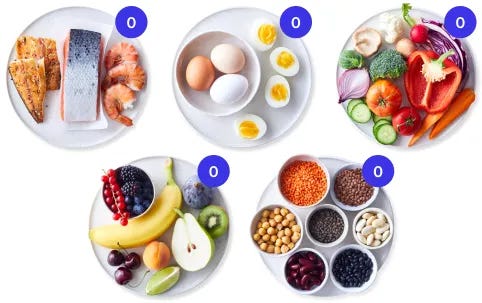
Perhaps it’s time to look at the 350 gifts.
These are the foods WW has labeled zero points—so, in theory, you can eat as much as you want without counting. But the reality is different. Even with ostensibly lower calories, quantity still matters. Overeating—even “approved” foods—can send your hormones into chaos, undermining both satiety and weight regulation. The math may say zero points, but your body doesn’t read the numbers.
WW has always had “free foods.” We used to call them rabbit food: vegetables and water to pacify hunger so you wouldn’t put a bagel in your mouth. But the list has grown—along with the membership—and now it’s 350 items long. Meaning you can spend your entire day putting things in your mouth and technically still be “on plan.”
And then we act surprised when hormones get weird and people line up for Ozempic after decades of dutiful dieting and “fat-burning exercise.” Because it turns out the body didn’t get the memo about calories-in, calories-out being a tidy accounting exercise.
Back in 1987, when Meredith Luce, MS RD LN, and I started what became 80Bites, we suspected the issue wasn’t just what people were eating—it was how much. Quantity. Stomach sensitivi80Bitesty. So we measured bites, not calories.
Wellness wisdom insists that stretching your stomach doesn’t matter because it “goes back.” Theoretically? Maybe. Functionally? After thousands of oversized meals, it’s not the same instrument—even if it’s technically the same organ.
I was reminded of this on a recent flight in business class. Same meal. Same portions. My seatmate finished cocktails, nuts, and dinner at warp speed—pouring whiskey like it was a shot, not something to taste—while I was still on sip one and bite twelve. Later, another passenger told me she had to relearn how to eat slowly after dental implants… and was still picking at an omelet 45 minutes before landing in a four hour flight.
Same food. Wildly different bite counts.
Multiply that by years of “free” foods, points games, and encouragement to manage hunger with volume, and you start to see how an industry built on eating more—but calling it something else—might have unintended consequences.
Maybe the release of the real numbers will be the beginning of the end.
Or at least the end of pretending 350 zero-point foods come with zero consequences.